
Bird Species in Morocco
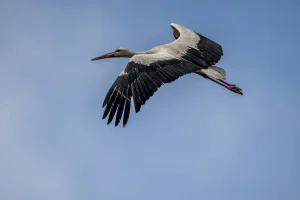
Morocco, a nation in North Africa, is well-known for its varied ecosystems and wide variety of plant and animal life. Birds of all shapes and sizes flock to Morocco because of the country’s diverse landscape, which ranges from the rocky Atlas Mountains to the huge Sahara Desert and the lovely Atlantic coast. Morocco is a wildlife lover’s dream, with over 500 different bird species having been seen in Morocco. Here we’ll look at the many environments that are home to some of the most interesting bird species in Morocco.
Migratory Birds:
Geronticus eremita, or the northern bald ibis: The Northern Bald Ibis is a national symbol of Morocco, yet it is in grave risk of extinction. This huge bird is impressive to look at, with its bald head and long, curved beak. The Souss-Massa National Park is an important breeding and protection location for the Bald Ibis because of its proximity to the Atlantic Ocean. The population of this species has increased because of conservation efforts.
The Audouin’s Gull (Larus audouinii) is a breeder along the Moroccan Mediterranean coast and is a medium-sized gull. Its white body, grey wings, and bright red beak make for an eye-catching combination. This species finds the coastal cliffs and islands to be excellent nesting locations.
A big wading bird, the Eurasian Spoonbill (Platalea leucorodia) lives in the marshes and along the coast of Morocco. This bird is instantly recognized because of its white plumage and unusual spoon-shaped beak. In shallow water, it captures food by sweeping its bill from side to side.
The little wading bird known as the Kentish Plover (Charadrius alexandrinus) may be seen nesting on the sand dunes and along the beaches of Morocco’s Atlantic coast. It bears a black stripe across its breast and gray-brown feathers. The run-stop-peck eating strategy is unique to this species.
The European Shag (Phalacrocorax aristotelis) is a species of shag that may be found on the Atlantic coast of Morocco. Its long, thin neck is contrasted by its lustrous black plumage. It is a common sight, either sitting on rocks or plunging into the sea for a fish meal.
Levaillant’s Woodpecker (Picus vaillantii), a species of forest and woodland bird: The Levaillant’s Woodpecker is a brightly coloured woodpecker that lives in the woods and forests of Morocco. Its plumage is eye-catching, with flashes of red, black, and white. This species of woodpecker is well-known for its distinctive drumming activity, which it employs for both communication and territorial marking. Seeing this species is easiest in the High Atlas Mountains and the Middle Atlas Mountains.
The Bonelli’s Eagle, or Aquila fasciata, is a medium-sized bird of prey native to the hilly areas of Morocco. Its body is brown, with a white spot on its back, and its bill is yellow. The flying and hunting skills of this eagle are legendary.
The little African Blue Tit (Cyanistes Tenerife) is a common garden and woodland visitor to Morocco. Its head, wings, and tail are blue, while its underside is yellow. The acrobatic eating habits of this bird have earned it a reputation among ornithologists.
A small migratory bird that spends its breeding season in the woods and thickets of Morocco; its scientific name is Luscinia megarhynchos. It sings a wonderful, lilting song during the mating season, but its plain brown plumage is what really sets it apart.
The African Chaffinch, or Fringilla coelebs africana, is a specialized form of the Common Chaffinch that is restricted to the continent of Africa south of the Sahara. Its overall plumage is a drab gray-brown, although it does have a rosy breast and a white wing patch. The woods and woodlands of Morocco are home to this species.
Mountain Bird Species in Morocco:
Many different kinds of birds may be found in the hilly parts of Morocco, especially in the Atlas Mountains, since they have adapted to the harsher conditions there. These mountain birds, from regal raptors to vibrant songbirds, are a treat for anybody with an interest in nature. In this part, we’ll look closely at some of Morocco’s most fascinating mountain birds.
The High Atlas Mountains of Morocco are home to an indigenous bird species called the Atlas Horned Lark (Eremophila atlas). The brownish-grey feathers of this ground-dwelling bird are accented by the black “horns” or feather tufts on its head. It lives in high-altitude meadows and on rocky slopes, where it subsists on seeds and insects. The High Atlas Mountains are a great place to see this rare and elusive animal.
The beautiful Moussier’s Redstart (Phoenicurus moussieri) can only be seen in North Africa. The male is easily distinguished by his remarkable plumage: black and white with a brilliant red tail and belly. The Atlas Mountains and the Jebel Sarhro area are two examples of the rocky environments that are home to this species. The bird’s beautiful singing and vivid plumage make it a fan favourite among avian enthusiasts.
Bird with Scarlet Wings (Rhodopechys alienus) in Africa. Small and colourful, the African Crimson-winged Finch can only be found in Morocco and the rest of North Africa. Its grey-brown feathers contrast with its scarlet face and crimson wings. This species prefers the high altitude environments of the Atlas Mountains, where it may thrive on a diet of seeds and insects.
The African Rock Martin, or Ptyonoprogne fuligula, is a little passerine bird native to the cliffs and outcrops of Morocco’s mountainous interior. Its brown plumage is unremarkable, and its neck and belly are white. This bird can make mud nests on vertical surfaces, and its swift flight has earned it a reputation for agility.
The tiny Tristram’s Warbler (Sylvia deserticola) can only be found in the dry parts of North Africa, such as Morocco. Its stealthy plumage allows it to disappear into the barren landscape. Although this species is most often associated with arid environments like the Sahara, it has been documented in the Moroccan mountains. It eats bugs and other little creatures.
The Bonelli’s Eagle, or Aquila fasciata, is a medium-sized bird of prey native to the hilly areas of Morocco. Its body is brown, with a white spot on its back, and its bill is yellow. The flying and hunting skills of this eagle are legendary.
Little songbird known as the Alpine Accentor (Prunella collaris) lives in the Atlas Mountains’ snowy highlands. Its grayish brown feathers contrast with its rusty back and white eye-ring. The rocky settings and the beautiful songs that come from this species have made it famous.
The Rock Bunting (Emberiza cia) is a medium-sized passerine bird native to the Atlas Mountains and other hilly parts of Morocco. Its plumage is a drab brown with white and black splotches. This species is easily recognizable because to its loud cry and penchant for cliff faces.
These are just few of the many bird species that may be seen in the mountains of Morocco. In order to survive in the harsh conditions of the mountains, each of these species has developed specialized adaptations. The beauty and variety of Morocco’s avian population may best be appreciated by seeing these species in their natural environment.
Fowl of the Sahara Desert:
Many different kinds of birds have developed special adaptations that allow them to survive in the extreme dryness and heat of Morocco’s deserts. These birds of the desert have adapted to the harsh conditions of the Sahara by developing a unique set of traits and routines. Here we’ll have a look at some of the most interesting desert birds of Morocco.
A little passerine bird that thrives in arid climates, the Desert Sparrow (Passer simplex) is a good example of adaptation. Its grayish brown feathers help it blend with the sandy landscape, making it difficult to see by potential predators. The Sahara Desert and other dry parts of Morocco are typical habitats for this species. It can thrive in the arid desert environment thanks to its seed- and insect-based diet.
Courser (Cursorius) of the tan colouration: A type of ground-dwelling bird, the Cream-colored Courser may be found in the deserts of Morocco. Its creamy feathers let it disappear into the sandy desert floor. This bird’s long legs and slim body make it well-suited to life in the desert. It dashes over the desert floor in search of its prey, which consists mostly of insects and other tiny invertebrates.
Caprimulgus aegyptius, or the Egyptian Nightjar, is a type of nocturnal bird that thrives in arid regions. Its cryptic plumage makes it almost invisible in broad daylight. It is possible to hear this bird’s peculiar cry late at night in the Moroccan desert, where it is a common resident. Its big mouth and adapted feathers allow it to grab insects midair, which makes up the majority of its diet.
The desert areas of Morocco are home to the raptor known as the Barbary Falcon (Falco pelegrinoides). It’s a falcon of average size, with dark brown feathers and a sturdy frame. Because of its remarkable speed and agility in the air, this species is able to hunt over the wide desert environment effectively. The Barbary Falcon is a bird of prey that specializes in the capture of small birds and rodents.
Ammomanes desert, also known as the Desert Lark, is a medium-sized bird that thrives in arid regions. Its brown feathers include black and white stripes that help it blend with the dunes of the desert. The morning or afternoon are good times to hear this bird’s unusual song. The Desert Lark forages for its food on the ground, where it collects grains and insects.
Small passerine bird found in the deserts of Morocco; its scientific name is Bucanetes githagineus. It looks different from other birds because of its pinkish-brown plumage and black facial mask. This bird can make do with little water supplies, since it has adapted well to life in the desert. It is sometimes observed in small groups rummaging on the ground for seeds, which it eats.
Corvus ruficollis, or the brown-necked raven: The Brown-necked Raven is a massive bird that thrives in the Moroccan desert. Its name comes from the contrast between its black plumage and its brown neck. Because of its intelligence and flexibility, this bird is able to thrive in a wide range of environments. The diet of the Brown-necked Raven includes anything from carrion to insects to plant stuff.
The desert areas of Morocco are home to a wide variety of bird species, and here are just a few examples. These desert-adapted organisms have evolved specific mechanisms that enable them to survive. Seeing these desert birds in their native environment may be enlightening since it shows how animals have adapted to survive in harsh environments.