Traveling to Morocco is an unforgettable experience. From the bustling medinas of Marrakech to the golden dunes of the Sahara Desert and the blue streets of Chefchaouen, the country offers incredible adventures. But before you pack your bags, one important question many travelers ask is:
How is Morocco healthcare for tourists?
Understanding healthcare in Morocco for visitors is essential for a safe and stress-free trip. In this complete guide, we’ll cover:
-
Is healthcare in Morocco good for tourists?
-
Are hospitals in Morocco safe?
-
Do you need travel insurance for Morocco?
-
What happens if you get sick in Morocco?
-
Emergency numbers and medical tips
This guide is designed to help you feel confident and prepared while traveling.

Is Morocco Healthcare for Tourists Good?
Morocco has a mixed healthcare system made up of:
-
Public hospitals
-
Private clinics
-
Pharmacies
-
Specialized medical centers
For tourists, the good news is:
👉 Private healthcare in Morocco is generally good, especially in major cities.
Cities like:
have modern private hospitals and English-speaking doctors.
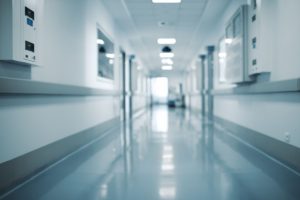
Public hospitals, however, may not meet the same standards expected in Europe or North America. That’s why most travelers are advised to use private clinics if medical care is needed.
Public vs Private Healthcare in Morocco
Understanding the difference is key.
Public Hospitals in Morocco
Public hospitals are:
-
Affordable
-
Widely available
-
Often crowded
-
Sometimes limited in equipment
While locals rely heavily on public hospitals, tourists typically choose private facilities for faster service and higher comfort.
Private Clinics in Morocco
Private healthcare facilities offer:
-
Shorter waiting times
-
Better hygiene standards
-
More modern equipment
-
English- and French-speaking staff
-
Higher quality service
Private clinics are recommended for tourists seeking reliable medical care in Morocco.

Do Tourists Need Travel Insurance for Morocco?
Yes — absolutely.
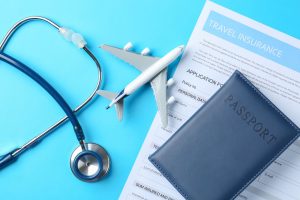
While healthcare in Morocco for tourists is accessible, you will need to pay upfront for private treatment.
Travel insurance should cover:
-
Medical emergencies
-
Hospital stays
-
Prescription medication
-
Emergency evacuation
-
Repatriation if needed
Medical evacuation from remote areas like the Sahara Desert can be expensive without insurance.
Travel insurance is highly recommended before visiting Morocco.
Emergency Medical Services in Morocco
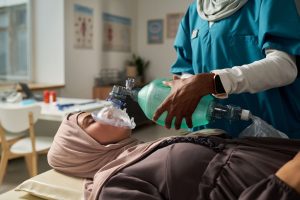
If you need urgent medical help, here are important emergency numbers:
-
Police: 190
-
Ambulance: 150
-
Fire Department: 150
In larger cities, ambulance response times are generally reasonable. However, in rural or desert areas, it may take longer.
If you are traveling outside major cities, especially in the Atlas Mountains or Sahara Desert, consider booking tours with licensed operators who prioritize safety.
Pharmacies in Morocco
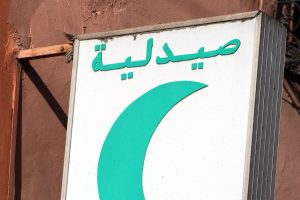
One of the strengths of healthcare in Morocco is its pharmacy network.
Pharmacies are:
-
Easy to find
-
Clearly marked with a green cross
-
Often open late
-
Well stocked with common medications
Many medications available with prescription in other countries can be purchased directly in Moroccan pharmacies.
Pharmacists are knowledgeable and often speak French and basic English. They can help with:
-
Stomach issues
-
Minor infections
-
Cold and flu
-
Allergies
-
Pain relief
If you experience minor health issues, a pharmacy may solve the problem without needing a hospital visit.
Common Health Concerns for Tourists in Morocco
Morocco is generally safe, but some health issues travelers may face include:
1. Traveler’s Diarrhea
Diarrhea is the most common issue.
Tips to avoid it:
-
Drink bottled water
-
Avoid ice in drinks
-
Eat well-cooked food
-
Avoid street food from questionable vendors
-
Wash hands frequently
2. Dehydration
Morocco’s climate can be very hot, especially in:
-
Marrakech
-
The Sahara Desert
-
Ouarzazate
Drink plenty of bottled water and avoid excessive sun exposure.
3. Sunburn & Heat Exhaustion
Wear:
-
Sunscreen
-
Hat
-
Light breathable clothing
Avoid midday sun during summer months.
4. Minor Injuries
Medina streets are uneven and busy. Comfortable shoes are recommended.

Is Tap Water Safe in Morocco?
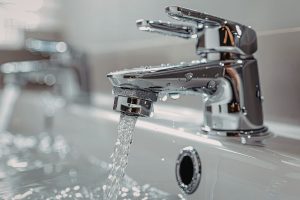
Tap water in Morocco is treated, but it is not recommended for tourists to drink it.
In major cities like Casablanca and Rabat, locals drink tap water. However, visitors may not be used to local bacteria.
To stay safe:
-
Drink bottled water
-
Use bottled water to brush teeth
-
Avoid ice unless in reputable hotels
Bottled water is cheap and widely available.
Healthcare in Major Moroccan Cities
Let’s look at healthcare standards in popular tourist destinations.
Healthcare in Marrakech
Marrakech has several modern private clinics and hospitals.
Many doctors:
-
Speak French and English
-
Have international training
-
Provide good quality service
For tourists visiting Marrakech, private clinics offer reliable care.
Healthcare in Casablanca
As Morocco’s largest city, Casablanca has some of the country’s best hospitals.
Casablanca is the top destination for specialized treatments and advanced medical procedures.
Healthcare in Rabat
Rabat, the capital, also has high-quality private hospitals and embassies nearby.
Healthcare in Fes
Fes offers decent private clinics, though fewer than Casablanca or Marrakech.
Healthcare in Rural Areas & Sahara Desert
Healthcare access becomes more limited in remote regions like:
-
Atlas Mountains
-
Sahara Desert
-
Small villages
If you are planning desert tours, ensure:
-
Your tour company has emergency protocols
-
Guides are trained in first aid
-
Travel insurance includes evacuation

Vaccinations for Morocco Travel
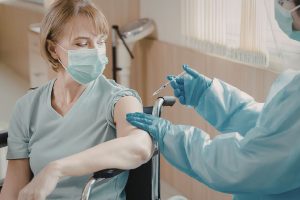
Morocco does not require mandatory vaccinations for most travelers.
However, recommended vaccines may include:
-
Hepatitis A
-
Hepatitis B
-
Tetanus
-
Routine vaccines (MMR, flu)
Consult your doctor before travel for personalized advice.
Medical Costs in Morocco for Tourists
Medical care in Morocco is generally affordable compared to Europe and the US.
Approximate private clinic consultation costs:
-
$30–$80 USD
Hospital stays and specialized procedures vary but remain significantly lower than Western countries.
However, serious medical emergencies can become costly without insurance.

Language Barrier in Moroccan Healthcare
Most doctors speak:
-
French (widely spoken)
-
Arabic
-
Increasingly English in tourist cities
In rural areas, English may be limited.
Having travel insurance with assistance services can help with translation if needed.
Safety Tips for Tourists Regarding Healthcare in Morocco
To stay healthy during your trip:
✔ Buy comprehensive travel insurance
✔ Drink bottled water
✔ Avoid raw or undercooked food
✔ Carry a basic medical kit
✔ Stay hydrated
✔ Protect yourself from the sun
✔ Use reputable tour operators
Is Morocco Safe for Medical Tourism?
Morocco is slowly developing a medical tourism sector, particularly in:
-
Cosmetic procedures
-
Dental treatments
-
Fertility clinics
Casablanca and Rabat lead in this area.
However, medical tourism is still smaller compared to countries like Turkey.
Final Verdict: Is Morocco Healthcare Safe for Tourists?
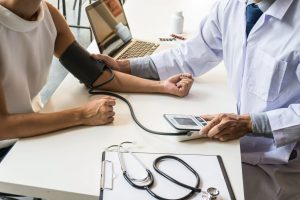
Yes — healthcare in Morocco for tourists is generally safe, especially in major cities where private clinics offer good standards.
The key points to remember:
-
Use private clinics for better service
-
Buy travel insurance before arrival
-
Drink bottled water
-
Take basic health precautions
With proper preparation, medical issues are unlikely to disrupt your Moroccan adventure.
Morocco welcomes millions of visitors every year, and most travelers experience no major health problems.
By understanding how Morocco healthcare works for tourists, you can travel confidently and enjoy everything this beautiful country has to offer.