how much money should I take to Morocco? do they accept credit cards in Morocco?
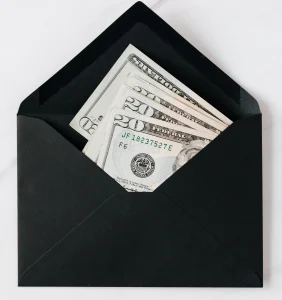
How much Cash to bring with you to Morocco will vary based on your individual needs, spending patterns, and length of stay. For both ease of use and safety, it is wise to carry a combination of cash and alternative payment options, such as credit or debit cards.
When deciding how much money you should take to Morocco, take into account the following:
Accommodation:
Most hotels in Morocco accept credit cards as a form of payment, and this is particularly true in the country’s more tourist-heavy regions and major cities. This implies that you may save some space in your luggage by not bringing as much cash with you to the hotel. Although most places can be paid for with a credit card these days, it’s always a good idea to carry extra cash just in case.
Visa and Mastercard are accepted at many of Morocco’s higher-end establishments, including those belonging to foreign hotel brands. There are also well-known hotel chains, boutique hotels, and luxury resorts in this category. It’s best to double-check with the hotel you’re planning to stay at ahead of time to be sure they accept credit card payments.
It’s important to remember that smaller hotels, guesthouses, and riads (Moroccan homes turned into hotels) may not accept credit cards at all. Cash is usually necessary in these situations. As a result, it’s wise to keep a little money in the bank as a safety net.
Your hotel may accept credit cards, but having local currency on hand is still smart for incidentals, transportation, and other purchases. It may be more convenient to pay in cash for room service, laundry, and other optional hotel services that require cash deposits.
Avoid any problems by notifying your bank of your upcoming trip and checking that your credit card may be used abroad. In case anything happens to your primary card, having a backup card on hand or access to additional payment options like a debit card is a smart idea.
In short, many hotels in Morocco accept credit cards, but you should still bring extra cash in case you need it for smaller hotels, more isolated regions, or for any unforeseen charges. To avoid any unexpected financial difficulties during your stay in Morocco, it is recommended that you contact your hotel in advance and make payment arrangements.
Transportation:
will I need cash or will credit cards be accepted in Morocco to Pay for transportation?
It’s crucial to have cash on hand for transportation in Morocco since many modes of transportation do not accept credit cards. It is recommended to have cash on hand for most transportation charges, but certain bigger enterprises and tourist-focused services may take cards.
Taxis in Morocco, for instance, often only accept cash. This is valid for both local and long-distance taxi rides. Keep some local cash in smaller bills on hand to use for taxi rides.
Buses, trains, and other forms of public transit often only accept cash fares. Ticket machines at railway stations and bus terminals may or may not take credit cards. Therefore, it is suggested that you have some cash on hand for the purchase of tickets.
Horse-drawn carriages (caleches) and motorcycle taxis are two examples of regional modes of transportation that often only take cash as fare.
It may be more difficult to pay for transportation using a credit card in outlying locations or smaller cities. This is particularly the case with less formal forms of transportation like ridesharing or taxis.
It is recommended that you bring enough money with you to cover your transportation costs while in Morocco. If you don’t have enough cash on hand, you should either withdraw Moroccan dirhams from an ATM or convert currencies after you arrive in the country.
While it’s usually wise to have a range of payment options on hand, including cash and cards, while travelling in Morocco, it’s especially crucial to be prepared with cash for transportation.
Meals
When eating out, should I take money or may I use a credit card in Morocco?
Although many restaurants in tourist hotspots and bigger cities accept credit cards, it is still recommended to have some cash on hand when eating out in Morocco.
Major credit cards are widely accepted at upscale restaurants and worldwide franchise restaurants. However, certain mom-and-pop shops, street sellers, and older restaurants may only take cash.
Having a variety of payment options on hand is highly suggested in order to explore the local culinary scene fully. Some restaurants may take credit cards, but having cash on hand gives you more freedom to try out the local favourites and hidden gems that may not accept cards.
It is also common practice to tip in cash in Moroccan restaurants, as it may not be able to include a tip while paying by credit card.
When travelling outside of tourist hubs, it is recommended that you bring a reasonable quantity of cash in Moroccan dirhams (MAD) for restaurant purchases.
Shopping and Souvenirs:
When it comes to buying things like clothes or trinkets as mementoes, cash is usually the preferred mode of payment in Morocco. Credit cards may be accepted in bigger stores and establishments catering to tourists, although having cash on hand is always recommended.
The indigenous currency, cash, is the preferred method of payment in Morocco’s bustling marketplaces and smaller establishments. Some examples of such markets are the haggling-heavy souks and the more intimate craft stores. When you pay with cash, you have more leeway when bargaining rates.
Credit card acceptance is not universal, while it is more likely in touristy areas and at bigger, more commercial enterprises. In addition, smaller shops and street markets probably won’t accept credit cards.
Shopping and buying mementoes in Morocco requires having Moroccan dirhams (MAD), the native currency. Withdraw cash from ATMs or exchange currencies at the airport so you have local currency for purchases.
It’s smart to have a variety of cash and card options on hand. However, if you plan on visiting local markets and smaller businesses in Morocco, it would be much more convenient if you bring some cash with you.
Miscellaneous Expenses:
Entrance fees to attractions, modest purchases from local markets, gratuities for guides or service providers, public bathroom costs, and so on are all examples of miscellaneous expenditures. Cash is usually needed for these kinds of costs.
Withdrawing funds from ATMs or exchanging currencies upon arrival is recommended. Most places have at least one ATM. However, Taking some money to Morocco in smaller amounts for incidental purchases or while travelling to locations with fewer ATMs is prudent.
Having readily accessible cash will make handling incidental costs and other challenges in Morocco much less of a hassle.
It is suggested that you have between 200 and 300 US dollars worth of Moroccan dirhams (MAD) on hand before arrival. There are several places to change money, including the airport, banks, and exchange offices in the area. You should leave the bulk of your money in a safe place, like the safe in your hotel room, and just bring out the minimum amount that you need for day-to-day needs.
You should also inquire with your financial institution about the accessibility of ATMs in Morocco and let them know of your upcoming trip.
The amount of Cash to bring to Morocco is ultimately determined by your own spending patterns and preferences. If you want your vacation to go off without a hitch, be sure to prepare ahead of time, do some research on costs, and bring a variety of payment options.