Morocco is a genuinely manageable destination during pregnancy — short flight times from Europe, no malaria risk, good private healthcare in the main cities, and a slower-paced trip is easy to design if you plan it that way. It’s not a destination that needs to be crossed off the list, but it does reward a bit of extra planning around timing, food, heat, and which activities to skip. This guide walks through everything to consider before Travelling to Morocco While Pregnant.
Quick answer: Yes, travelling to Morocco while pregnant is generally safe, especially in the second trimester. The main things to plan around are food and water hygiene, heat in the desert and southern cities, and avoiding a handful of physically jarring activities. This is general travel guidance, not medical advice — always check with your doctor or midwife before booking, especially regarding vaccines.
Is the Second Trimester Really the Best Time to Go?
Most doctors and midwives consider the second trimester (roughly weeks 14–27) the most comfortable window for travel in general, Morocco included — morning sickness has usually eased, energy levels tend to be higher, and the risk of pregnancy complications is statistically lower than in the first or third trimester. That said, plenty of travellers visit comfortably in the first and early third trimester too; it comes down to how you’re feeling and what your own healthcare provider advises for your specific pregnancy.
On flights specifically: airlines commonly allow travel up to around 36 weeks for a single, uncomplicated pregnancy (earlier for twins or multiples), though policies vary by carrier and many require a doctor’s letter confirming your due date and fitness to fly from around 28 weeks onward. Check directly with your airline before booking, particularly if you’re flying with a Moroccan or Gulf carrier where policies can differ from European ones.
Vaccines and Health Precautions
Morocco has had no active malaria transmission since 2010, which removes one of the bigger pregnancy-related travel concerns you’d face in many other parts of Africa. See our full breakdown in Morocco malaria risk: is there malaria in Morocco?
Standard travel vaccines for Morocco (such as hepatitis A and typhoid) are generally considered safe during pregnancy, but this is a decision to make with your own doctor or a travel health clinic, not from a blog post — some vaccines are handled differently during pregnancy, and your provider will factor in your specific health history and trimester. Book a pre-travel consultation 4–6 weeks before departure if possible. For more on the healthcare landscape once you’re there, see our guide to Morocco healthcare for tourists.
Official source: For up-to-date, pregnancy-specific travel health guidance, the CDC’s dedicated resource is a good starting point to bring to your own doctor: CDC – Travel Health Advice for Pregnant Travelers.

Food and Water Safety During Pregnancy
This is where a little extra care genuinely matters. Pregnancy increases sensitivity to certain foodborne illnesses, so it’s worth being more careful than you might be otherwise:
- Water: stick to sealed bottled water, and skip ice unless you’re confident it was made from filtered water, which is generally the case at major hotels and upscale restaurants. See our full guide on tap water safety and what to avoid eating or drinking in Morocco.
- Raw or undercooked meat and eggs: avoid entirely due to toxoplasmosis and listeria risk, both of which carry specific concerns during pregnancy.
- Unpasteurised dairy: steer clear of any dairy you’re not confident has been pasteurised.
- Raw salads and unpeeled fruit: peelable fruit is the safer choice; where possible, choose freshly cooked, piping-hot food over anything that’s been sitting out, including buffet dishes.
- What’s generally safer: tagines, couscous, and grilled meats served hot are typically lower risk, as is fresh-squeezed juice from high-turnover vendors.
Managing Heat, Sun, and Altitude
Pregnancy makes you more prone to overheating and dehydration, and Morocco’s climate can be intense depending on where and when you go:
- Desert heat: the Sahara and inland cities like Marrakech and Ouarzazate get very hot, particularly June through September. If you’re pregnant, favour the cooler months and build in shaded rest breaks, especially on desert excursions.
- Hydration: drink more water than you think you need, and carry it with you rather than relying on finding it along the way.
- The traditional hammam: the intense heat of a full traditional steam hammam is generally something to skip or significantly moderate during pregnancy — check with your doctor first if you’re keen to experience one. See our full Moroccan hammam guide for what’s involved.
- Atlas Mountains altitude: high-altitude trekking adds an extra layer of consideration during pregnancy; stick to lower, gentler routes and discuss any mountain plans with your doctor beforehand.
Activities to Skip or Modify
Morocco’s classic bucket-list activities are mostly fine with a few sensible substitutions:
- Camel riding: the jolting, uneven motion is best avoided or kept very short during pregnancy. Our camel riding guide covers what the experience involves if you want to make an informed call with your doctor.
- Quad biking and dune bashing: the jarring, high-impact movement makes these worth skipping.
- Hot air balloon rides: generally considered lower-impact than camel riding or quad biking, but check the operator’s own pregnancy policy, as some have restrictions. See our guide to hot air balloon rides in Morocco.
- Long unbroken car journeys: desert routes often involve many hours of driving. Build in regular stops rather than pushing straight through, and keep a seatbelt worn properly under the bump, not across it.
- What still works beautifully: medina walking tours at an easy pace, cooking classes, garden visits (Majorelle Garden, for instance), gentle wellness retreats, and coastal towns like Essaouira for a slower few days. See our wellness retreat guide for ideas geared toward rest rather than adventure.
Travel Insurance and Medical Care
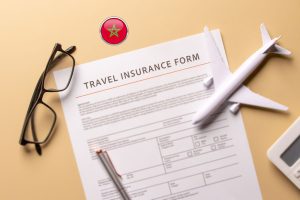
Standard travel insurance policies often have pregnancy-related exclusions or gestational-age cut-offs, so it’s worth confirming your policy explicitly covers pregnancy-related care, not just general medical emergencies. See our full travel insurance for Morocco guide before you book.
On the ground, private clinics and hospitals in Marrakech, Casablanca, and Rabat generally offer a good standard of care and are used to treating international visitors, though facilities thin out considerably in rural and desert areas. If you have any pregnancy complications or a higher-risk pregnancy, it’s worth building your itinerary around staying closer to these cities rather than remote routes.
Before you book: This guide is general travel information, not medical advice. Every pregnancy is different, so run your specific plans — flights, vaccines, activities, and destinations — past your doctor or midwife before confirming your trip.
Planning a Comfortable Pace
A slower, city-and-coast-focused itinerary tends to work best during pregnancy, prioritising comfort over covering ground quickly:
Morocco for Couples
A relaxed, comfort-oriented route that works well for a babymoon-style trip.
Best Time to Visit Morocco
A month-by-month breakdown to help you avoid the most intense heat.
Wellness Retreat in Morocco
Ideas focused on rest, gentle activity, and comfort rather than adventure.
Planning a Comfortable Trip to Morocco?
Our family-run team can design a relaxed, private itinerary paced around your comfort, with private transport and flexible stops built in.
Travelling to Morocco While Pregnant: Frequently Asked Questions
Is it safe to travel to Morocco while pregnant?
Generally yes, especially in the second trimester. The main considerations are food and water hygiene, heat, and avoiding certain jarring activities. Always confirm your specific plans with your doctor.
What is the best trimester to visit Morocco during pregnancy?
The second trimester (roughly weeks 14-27) is generally considered the most comfortable window for travel, though this varies by individual pregnancy.
Is there a malaria risk in Morocco during pregnancy?
No. Morocco has had no active malaria transmission since 2010, removing one of the bigger pregnancy travel concerns you’d face elsewhere in Africa.
Can I ride a camel in Morocco while pregnant?
It’s generally best to avoid or keep it very short, given the jolting, uneven motion. Discuss it with your doctor if it’s something you’re keen on.
Is it safe to visit a hammam while pregnant?
The intense heat of a full traditional steam hammam is generally something to skip or moderate during pregnancy. Check with your doctor first.
Until what week of pregnancy can I fly to Morocco?
Airlines commonly allow flying up to around 36 weeks for a single, uncomplicated pregnancy, often requiring a doctor’s letter from around 28 weeks. Policies vary by airline, so check directly before booking.
What foods should I avoid in Morocco while pregnant?
Raw or undercooked meat and eggs, unpasteurised dairy, raw salads, tap water, and ice of uncertain origin. Freshly cooked, piping-hot food is generally the safer choice.
Does travel insurance cover pregnancy in Morocco?
Not automatically. Many standard policies have pregnancy exclusions or gestational-age limits, so confirm your specific policy covers pregnancy-related care before you travel.