
top 20 Must-See Attractions in Marrakech
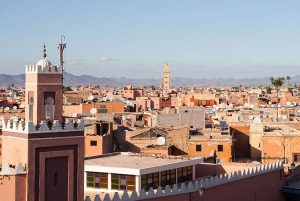
Discover the Enchanting Charms of Marrakech: the Top 20 Must-See Attractions
The “Red City” of Morocco, Marrakech, emanates an enticing mix of exoticism, rich history, and vibrant culture. This ancient city has captivated the souls of travellers for centuries with its teeming markets, mesmerizing architecture, and welcoming hospitality. If you are planning a journey to Marrakech, the following is a curated list of the top 20 attractions that will immerse you in the city’s alluring charm.
The Majorelle Garden:
Jardin Majorelle is a genuine sanctuary of tranquillity in the midst of the frenetic city of Marrakech, and it merits its high position among these 20 must-see attractions in Marrakech. The talented French painter Jacques Majorelle designed the garden, and its loveliness is unparalleled. Visitors are treated to a symphony of colours as they meander through its paths, with vibrant cobalt blue structures set against a verdant tapestry of exotic plants, cacti, and bamboo plantations. The tranquillity is enhanced by the soothing noises of fountains, providing an ideal retreat from the vibrant commotion of the city. The garden’s collection of flora and fauna, which includes uncommon species from five continents, never fails to impress visitors. The distinctive combination of Moorish and Art Deco architecture harmonizes with the natural elements to create a sanctuary. The acquisition of Jardin Majorelle by the legendary fashion designer Yves Saint Laurent and his associate Pierre Bergé, who restored and preserved it for future generations, added to the garden’s attractiveness and aesthetic appeal. The Jardin Majorelle offers an unforgettable experience that depicts the essence of Marrakech for those in search of an enchanting blend of art, nature, and history.
The Baha Palace:
The Bahia Palace, an architectural marvel located in the center of Marrakech, is unquestionably one of the city’s must-see attractions. This magnificent palace was constructed in the nineteenth century and features the finest examples of Moroccan craftsmanship and design. Upon entering its opulent gates, visitors are transported back in time to a world of opulence and splendour. The expansive courtyards of the Bahia Palace are adorned with intricately tiled floors, verdant gardens, and tranquil fountains that elicit a sense of peace. Its opulent chambers feature intricately carved ceilings, multicoloured zellige tilework, and delicate stucco detailing that reflect the artistic brilliance of Moroccan craftsmen. The name of the palace, “Bahia,” which means “brilliance” or “beauty,” is an appropriate description of the spectacular splendour that unveils at every turn. As one investigates the palace’s numerous chambers and concealed nooks, the palace’s opulent history and former inhabitants’ affluent lifestyle come to life. Bahia Palace is a must-visit destination for tourists who wish to immerse themselves in the enchanting allure of Marrakech and is a stunning example of Morocco’s cultural heritage.
This is the Koutoubia Mosque:
The Koutoubia Mosque, a prominent symbol of Marrakech’s architectural heritage, is a must-see. This magnificent mosque from the 12th century is a masterpiece of Almohad architecture and a testament to the city’s rich Islamic heritage. Its soaring minaret, which is visible from various locations in Marrakech, adorns the horizon with elegance and grace. As visitors approach the mosque, they are greeted by its intricate geometric patterns, delicate arches, and magnificent stucco work, which display the craftsmanship and artistry of ancient craftsmen. Non-Muslims are not permitted to enter the mosque, but its exterior attractiveness is breathtaking. The tranquil atmosphere and spiritual significance of the mosque make it a must-see attraction, allowing visitors to appreciate the centuries-old fusion of religion, culture, and architectural brilliance in this captivating Moroccan city.
The Saadian Tombs
The Saadian Tombs, a concealed treasure nestled away in the teeming alleyways of Marrakech, is a popular attraction that provides an enthralling insight into Morocco’s illustrious past. These monuments were the ultimate resting place of Saadian dynasty members, dating back to the 16th century and rediscovered in 1917 after centuries of obscurity. Visitors are immediately struck by the intricate beauty of the mausoleum’s architecture upon entering the tranquil courtyard, which features intricate engravings, colourful tiling, and delicate marble work. The main chamber contains the lavishly decorated monuments of Saadian monarchs and their families. The reverent and reflective ambience within the monuments allows visitors to appreciate the historical significance of this site. The Saadian Tombs offer a one-of-a-kind opportunity to interact with Morocco’s regal heritage and to admire the craftsmanship and aesthetic skill of a bygone era. For history buffs and cultural explorers, a trip to the Saadian Tombs in the vibrant city of Marrakech is a must, as it promises an unforgettable voyage back in time.
Djemaa el-Fna:
Djemaa el-Fna is considered to be the best of these 20 top must-see Attractions in Marrakech. This square also known as the throbbing center of Marrakech, is a lively square and open-air theatre that captivates visitors with its cultural diversity. This UNESCO-recognized site in the center of the Medina is alive with an enchanting array of sights, noises, and smells. During the day, the plaza is a bustling marketplace where vendors sell everything from seasonings and textiles to traditional crafts. Djemaa el-Fna becomes a mesmerizing spectacle of Moroccan culture as the sun sets, with storytellers, musicians, acrobats, and snake charmers captivating audiences with their mesmerizing performances. The air is filled with the aroma of freshly prepared Moroccan delicacies served at the numerous food vendors, which offer delectable local cuisine. Djemaa el-Fna is a must-visit destination for tourists seeking an authentic Moroccan experience due to its lively ambiance and seamless combination of tradition and modernity.
The El Badi Palace:
El Badi Palace, a magnificent relic of Marrakech’s illustrious past, is one of the city’s most visited attractions. This once-opulent palace, constructed by Sultan Ahmad al-Mansur in the late 16th century, was a testament to the majesty and dominance of the Saadian dynasty. As visitors investigate its expansive courtyards, intricate pavilions, and subterranean gardens, the palace still emanates a sense of grandeur despite being in ruins. The tranquillity of the central courtyard, which is adorned with citrus trees and reflecting pools, is in stark contrast to the congested streets outside. Hinting at the palace’s former grandeur, its disintegrating walls and intricate mosaic fragments bring its past to life. Climbing the crumbling ramparts affords visitors panoramic views of the city, enabling them to imagine the palace’s former magnificence. El Badi Palace transports visitors back in time, making it a must-visit for those seeking to immerse themselves in Marrakech’s alluring history.
Ben Youssef Mosque:
The Ben Youssef Madrasa is a site of captivating beauty and historical significance. It is a masterpiece of Moroccan architecture and a must-see attraction in Marrakech. This medieval Islamic college provides a captivating insight into the world of traditional education in Morocco. Visitors are immediately immersed in a world of intricate stucco, delicate wood carvings, and dazzling zellige tilework upon entering its elaborately decorated entrance. With its tranquil reflecting pool and ornate arched porticos, the central atrium emanates a sense of peace and reflection. Formerly a vibrant center of education and spirituality, the student chambers and prayer hall of the madrasa display the opulence and artistry of Moroccan architecture. A visit to Ben Youssef Madrasa is a voyage into the rich cultural heritage of Morocco, providing a rare opportunity to appreciate the fusion of art, religion, and education in this enchanting city.
The Menara Gardens are:
Menara Gardens, a tranquil sanctuary located just outside the teeming Medina of Marrakech, is a must-see destination for those in search of tranquillity and natural beauty. These historic gardens date back to the 12th century and feature a harmonious combination of Islamic and Berber architectural styles. The centrepiece of the gardens is the iconic Menara Pavilion, an elegant Saadian pavilion commanding a vast reflecting pool against a breathtaking backdrop of the majestic Atlas Mountains. With its aisles of olive trees and aromatic fruit plantations, the gardens offer a charming retreat from the city’s heat. Visitors and locals alike come here to enjoy placid strolls, picnicking, and quiet moments by the water. Warm twilight tints illuminate the gardens as the sun sets, creating an idyllic setting for an evening promenade. Menara Gardens is a timeless jewel that not only showcases the natural beauty of Marrakech but also offers a view into the city’s historical legacy, making it a must-visit destination for tourists seeking a tranquil sanctuary in the center of Morocco.
The Marrakech Souks:
The Marrakech Souks, a labyrinthine network of bustling marketplaces, is one of the city’s most popular tourist destinations. Visitors entering this bustling labyrinth are surrounded by a sensory symphony of colors, aromas, and sounds. The souks are a treasure repository of Moroccan handicrafts, textiles, seasonings, and traditional goods, winding through a maze of narrow alleys and congested streets. Bargaining with hospitable merchants is a crucial aspect of the experience, allowing tourists to immerse themselves in the vibrant local culture. From intricately designed rugs and leather goods to delicate lanterns and pottery, the souks offer a vast selection of authentic and one-of-a-kind souvenirs. Along the route, visitors will encounter artisans at work, constructing their merchandise using time-honoured methods. A visit to the Marrakech Souks is more than just a purchasing excursion; it is also a delectable journey into the core of Moroccan craftsmanship and culture, leaving visitors with indelible memories of the city’s lively and teeming spirit.
Marrakech Museum:
The Marrakech Museum, a fascinating cultural treasure housed within the confines of the Dar Menebhi Palace from the nineteenth century, is a must-see in the entrancing city of Marrakech. As guests pass through the stately entrance, they are transported to a bygone era of Moroccan art and history. The museum’s extensive collection of ancient manuscripts, traditional textiles, exquisite porcelain, and intricate woodwork provides a comprehensive look at the country’s illustrious heritage. The lavish interiors of the palace, embellished with exquisite tilework and sculpted cedar ceilings, provide the ideal setting for the meticulously curated exhibits. The Marrakech Museum is a must-see for those seeking a deeper comprehension of Moroccan art and culture, ensuring a captivating voyage through the country’s artistic legacy and historical evolution.
Mellah is the Jewish Quarter.
Mellah, the historic Jewish Quarter of Marrakech, is one of the 20 captivating top must-see attractions in Marrakech that provides a distinct perspective on the multicultural heritage. This neighbourhood, which dates back to the 16th century, is a testament to the once-thriving Jewish community that contributed to Marrakech’s diverse cultural tapestry. Visitors who navigate its narrow streets encounter endearing synagogues, ancient cemeteries, and exquisitely embellished structures that tell tales of a vibrant past. The preserved architecture reflects the seamless integration of Moroccan and Jewish influences, producing a captivating and culturally enriching atmosphere. Exploring Mellah offers the chance to learn about the history and traditions of Moroccan Jewry while observing the harmonious coexistence of different faiths and cultures in this cosmopolitan city. The Mellah is an essential and rewarding destination to visit if you wish to explore the lesser-known regions of Marrakech’s cultural heritage.
Berber museum:
The Berber Museum, a top attraction situated within the tranquil confines of the Majorelle Garden in Marrakech, offers an enthralling voyage through the rich heritage and culture of the Berber people. The museum’s collection of Berber antiquities, crafts, and traditional artefacts was conceived by French fashion designer Yves Saint Laurent and his business associate Pierre Bergé. As visitors stroll through the museum’s chambers, they are treated to an assortment of exhibits, such as intricate jewellery, vibrant textiles, and ancient instruments that tell the story of the ancient Berber way of life. Against the backdrop of the verdant Majorelle Garden, the artfully curated exhibits create a harmonious combination of nature and culture. Exploring the Berber Museum offers the chance to acquire a deeper understanding of the indigenous people of Morocco, their traditions, and the enduring significance of their cultural heritage. The Berber Museum is a must-see for tourists seeking a profound and enriching experience in Marrakech, as it commemorates the sincere character of the Berber community.
The words of Medersa Ben Youssef:
A second architectural marvel, the Medersa Ben Youssef, provides a glimpse of traditional Islamic education with its tranquil courtyard and exquisitely decorated student chambers.
The Agdal Gardens are:
At the Agdal Gardens, an expansive sanctuary with citrus plantations, olive trees, and a massive reflecting pool, you can escape the city’s bustle.
The House of Photography:
This museum’s collection of historical Moroccan photographs, which offer a look into the country’s past, will appeal to photography enthusiasts.
The Majorelle Artisan Workshop:
At the Majorelle Artisan Atelier, you can observe expert artisans at work and immerse yourself in the creation of traditional Moroccan crafts.
Spa at Palais de la Bahia:
Indulge in an opulent Moroccan leisure experience at the Palais de la Bahia, where ancient rituals and contemporary treatments coexist.
Atlas Mountain Range:
Take a day excursion to the Atlas Mountains, where you will find magnificent scenery and traditional Berber villages.
Ourika Valley :
A trip to the breathtaking Ourika Valley affords nature lovers the chance to witness the verdant vegetation and cascading cascades.
Tanneries:
In the city’s tanneries, where expert artisans use time-honored methods to create exquisite leather products, you can observe the traditional leather-making process.
Four-Wheeling in the Desert:
A exhilarating quad bike excursion through the neighboring desert is an indelible experience for thrill-seekers.
Marrakech offers a sensory voyage through time, where ancient traditions and contemporary influences coexist harmoniously. Whether you seek cultural immersion, historical exploration, or simply luxuriate in the city’s enchanted atmosphere, the top 20 must-see attractions listed above will make your trip to Marrakech unforgettable. Prepare to be enraptured by the allure of the Red City, departing with memories that will last a lifetime.